Enterprises today operate in an environment where speed, efficiency, and accuracy define success. Traditional operational models, driven by manual processes and fragmented systems, can no longer keep pace with modern business demands. This shift has accelerated the adoption of Artificial Intelligence (AI) and Automation, which are fundamentally redefining how enterprises run, scale, and compete.
The Shift from Manual to Intelligent Operations
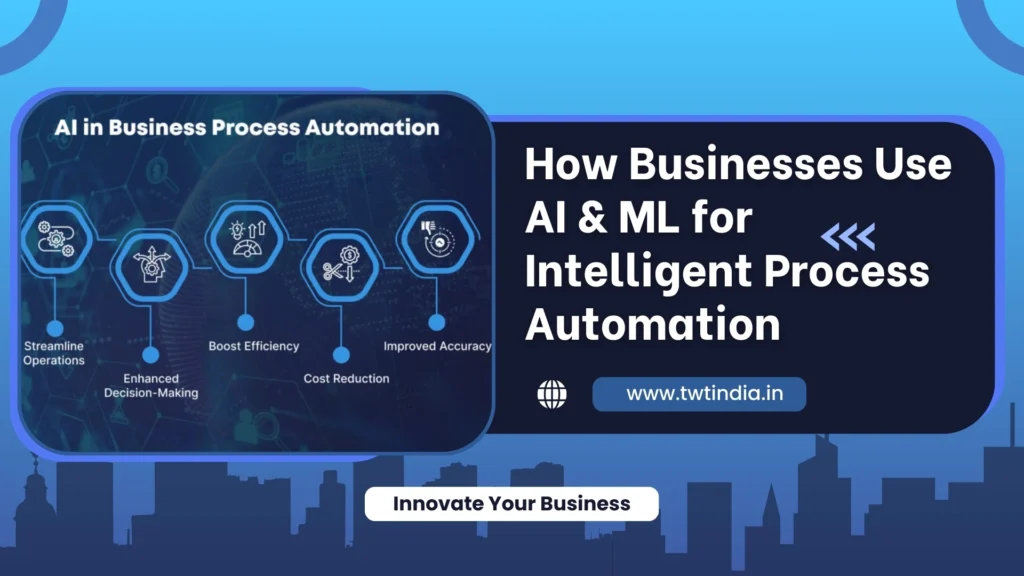
Automation has moved far beyond basic task execution. Modern automation platforms powered by AI can understand data, learn from patterns, and make informed decisions. Enterprises are now automating workflows across departments such as finance, HR, customer support, supply chain, and IT operations—reducing errors while increasing productivity.
AI-driven automation enables systems to process large volumes of data in real time, allowing organizations to respond faster to operational challenges and market changes.
Smarter Decision-Making with AI
AI plays a critical role in turning operational data into actionable insights. Machine learning models analyze historical and real-time data to identify trends, predict outcomes, and recommend actions. This allows leadership teams to move from reactive decision-making to proactive and predictive strategies.
From demand forecasting and risk assessment to performance optimization, AI-powered analytics help enterprises make smarter, data-backed decisions.
Enhancing Efficiency Across Enterprise Workflows
Automation streamlines repetitive and time-consuming tasks such as data entry, report generation, system monitoring, and approval workflows. When combined with AI, these systems can adapt to changing conditions, prioritize tasks intelligently, and continuously improve performance.
This results in faster turnaround times, reduced operational costs, and better utilization of human resources for high-value work.
Improving Customer and Employee Experiences
AI-powered chatbots, virtual assistants, and intelligent service platforms are transforming customer and employee interactions. Enterprises can deliver 24/7 support, personalized experiences, and consistent service quality while reducing response times and operational overhead.
Internally, automation simplifies employee workflows, enabling teams to focus on strategic initiatives rather than manual processes.
Building Scalable and Future-Ready Enterprises
One of the biggest advantages of AI and automation is scalability. Cloud-based AI systems and automated workflows allow enterprises to scale operations without proportional increases in cost or complexity. As businesses grow, intelligent systems adapt seamlessly to increased demand.
Conclusion
AI and automation are no longer optional innovations—they are foundational to modern enterprise operations. By enabling intelligent decision-making, operational efficiency, and scalable growth, these technologies are reshaping how enterprises function and deliver value. Organizations that embrace AI-driven automation today are positioning themselves for long-term success in an increasingly competitive digital landscape.